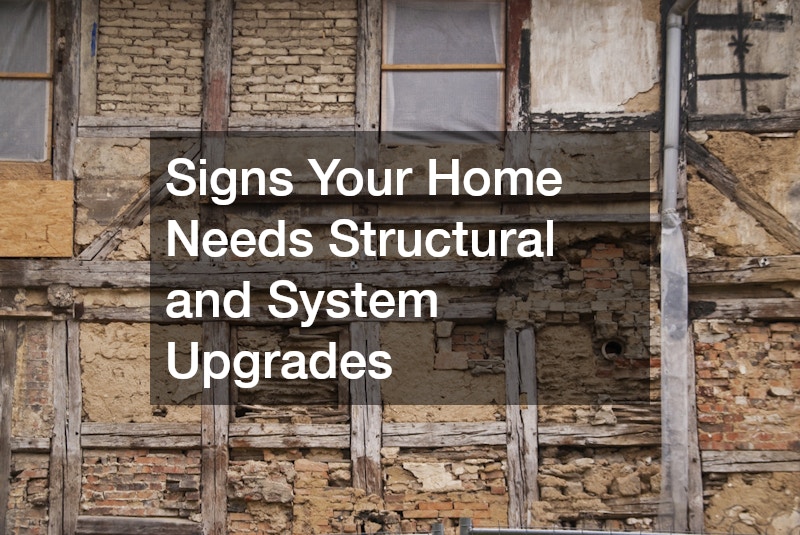
Many homes start to show signs of wear long before visible damage becomes obvious. Small shifts in structure, system performance, and material durability can signal deeper issues beneath the surface. When these early warnings are overlooked, repair costs tend to rise, and safety can be affected. You often notice these changes in subtle ways first. Doors may not close smoothly. Floors may feel uneven. Utility systems may not perform the way they once did. These are not random inconveniences. They are signals that a home may need attention beyond surface-level fixes. Understanding what these signs mean helps you decide when repairs are enough and when larger upgrades should be considered. A structured approach to evaluating a home can prevent long-term damage and improve overall livability.
Early Warning Signs in Home Structure
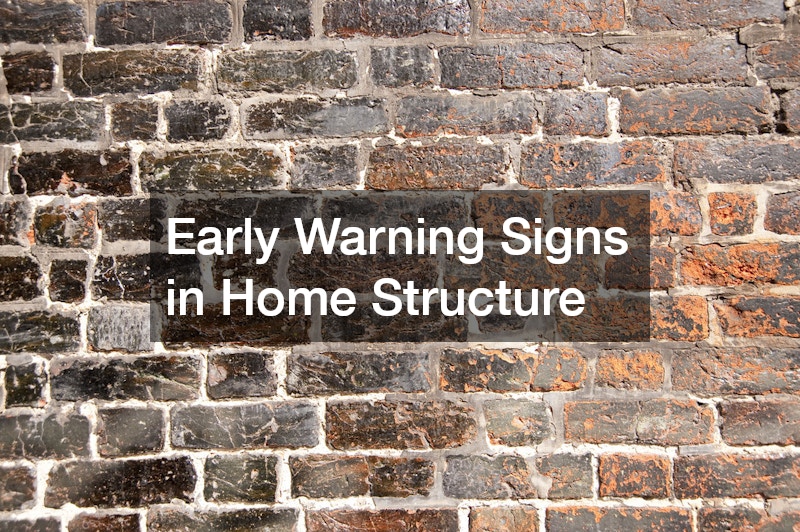
Structural concerns often appear gradually. You may not see a dramatic shift right away, but smaller patterns can reveal underlying stress in the home’s framework.
Common indicators include:
- Cracks forming along walls or ceilings
- Doors or windows that stick or shift out of alignment
- Uneven or sagging floors
- Gaps forming between walls and trim
- Visible separation in exterior joints
When these issues appear together, they may suggest deeper structural movement. At this stage, many homeowners consult remodeling contractors to assess whether repairs or larger reinforcements are needed. These professionals often evaluate load-bearing areas, foundation stability, and framing conditions to determine the scope of improvement required. You benefit from early evaluation because structural issues rarely resolve on their own. Addressing them early helps reduce the risk of more expensive corrections later.
Foundation Planning and Long-Term Stability
A stable foundation is essential for the entire home. When it begins to shift or weaken, the effects spread across every system and surface.
Some warning signs include:
- Persistent floor slope or uneven walking surfaces
- Wall cracks that widen over time
- Moisture intrusion in lower levels
- Separation between floors and baseboards
- Recurring drywall damage after repairs
In some cases, a home builder may be brought in to evaluate whether foundational improvements are needed. This can include leveling work, reinforcement of support beams, or drainage adjustments around the property. If ignored, foundation issues can affect plumbing alignment, door frames, and even roofing stress points. A stable base supports every other system in the home, so early attention is critical.
When Full Rebuilding Becomes a Consideration
There are situations where repairs are no longer enough to restore performance or safety. When multiple systems fail at once, or structural wear becomes widespread, a more complete approach may be needed. In these cases, a custom home builder may assess whether partial reconstruction or full rebuilding is the most practical option. This is especially relevant when older homes have undergone repeated patchwork repairs over time.
Key signs include:
- Extensive structural deterioration in multiple areas
- Outdated systems that no longer meet current standards
- Frequent repair cycles with recurring issues
- Poor layout efficiency affects daily living
- Major safety concerns across electrical or plumbing systems
A broader rebuild approach allows you to redesign the home for modern function, energy use, and safety standards. It also helps eliminate recurring maintenance problems tied to aging construction methods.
Roof Performance and Exterior Protection

The roof plays a direct role in protecting the entire structure. When it begins to fail, damage can spread quickly to interior systems.
Watch for:
- Missing or damaged shingles
- Water stains on ceilings or attic surfaces
- Uneven rooflines or sagging sections
- Higher indoor humidity after rainfall
- Mold growth near the upper walls
Regular roofing evaluation becomes essential when these issues appear. Even small leaks can lead to insulation damage, weakened framing, and interior deterioration if not addressed quickly. A roof in decline does more than allow water inside. It places stress on insulation, ventilation, and structural supports. Early attention helps maintain the overall integrity of the home and prevents cascading damage.
Exterior Surface Damage and Moisture Entry
Exterior walls act as a barrier against weather exposure. When that barrier weakens, moisture can enter and begin affecting internal layers.
Signs include:
- Cracking or blistering on exterior walls
- Paint separation or bubbling
- Visible moisture stains after rain
- Soft or crumbling wall surfaces
- Discoloration spreading across exterior finishes
In these cases, stucco repairs may be needed to restore the protective outer layer. Damage in this area often goes deeper than it appears on the surface. If left untreated, moisture intrusion can reach framing materials and insulation. That leads to mold growth and structural weakening over time. Maintaining exterior integrity helps protect every internal system of the home.
Interior Wall and Surface Deterioration
Interior finishes often reflect deeper issues within the home. Paint failure, cracking, or uneven surfaces can indicate movement or moisture problems behind the walls.
Common signs include:
- Paint peeling or bubbling in multiple rooms
- Hairline cracks expanding over time
- Uneven texture across walls
- Damp spots with no clear source
- Frequent need for repainting in the same areas
At this stage, a local painting contractor may evaluate whether the issue is purely cosmetic or linked to structural or moisture concerns. Surface treatments alone may not solve the problem if underlying damage exists. Interior deterioration often reveals broader system stress. Identifying the source early helps prevent repeated repairs and ongoing surface damage.
Plumbing Performance and Hidden Water Issues
Plumbing systems often show early warning signs before major failures occur. These signals should never be ignored, even if they seem minor at first.
Look for:
- Slow drainage in sinks or tubs
- Low water pressure in multiple fixtures
- Unusual pipe noises
- Frequent clogs in different areas
- Damp flooring near plumbing lines
When these issues become recurring, professional plumbing services are often needed to inspect the system. Hidden leaks can cause structural damage beneath floors and behind walls without immediate visibility. Water-related problems are especially serious because they affect both structure and air quality. Moisture buildup can weaken materials and encourage mold growth if not addressed promptly.
Cabinet and Storage System Alignment Issues
Cabinets and built-in storage can reveal subtle structural changes in a home. Misalignment or shifting often reflects movement in walls or flooring beneath them.
Warning signs include:
- Cabinet doors that no longer close properly
- Uneven gaps between cabinetry and walls
- Drawers sticking or sliding unevenly
- Visible separation from mounting points
- Warping in shelving or support structures
In these situations, a cabinet designer may be consulted to assess whether adjustments or replacements are needed. While some issues are cosmetic, others point to deeper structural movement. Cabinet performance is often overlooked, but it can provide early insight into changes affecting the home’s framework.
Electrical System Strain and Safety Concerns
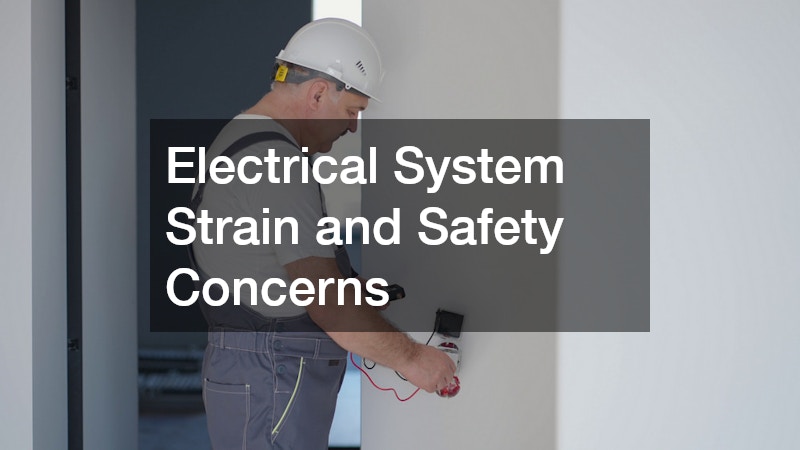
Electrical systems are central to modern home function. When they begin to show strain, safety risks increase significantly.
Common indicators include:
- Frequent circuit breaker trips
- Flickering or dimming lights
- Outlets that feel warm to the touch
- Burning smells near switches or panels
- Limited capacity for modern appliances
An electrical contractor can evaluate whether the system is outdated or overloaded. Older homes, in particular, may not support current energy demands without upgrades. Electrical issues should always be taken seriously. Beyond inconvenience, they can pose fire hazards if left unresolved. A system review helps determine whether rewiring or panel upgrades are necessary.
Flooring Shifts and Subsurface Movement
Flooring often reveals what is happening beneath the surface. Changes in level, texture, or stability can indicate underlying structural movement.
Watch for:
- Soft or spongy areas underfoot
- Uneven floor levels across rooms
- Gaps forming between floorboards
- Tile cracking without impact damage
- Persistent squeaking or shifting sounds
When these signs appear, flooring professionals may recommend partial or full replacement depending on the severity. In some cases, structural reinforcement beneath the surface is needed before new flooring is installed. Flooring issues are rarely isolated. They often reflect conditions affecting subfloors, joists, or foundational elements.
Indoor Air Quality and Moisture Control
Air quality inside a home often reflects what is happening behind walls, under floors, and within ventilation paths. When moisture is present in places it should not be, the effects spread quietly and steadily. You may not see the source right away, but you can feel the impact over time. Some early indicators include lingering odors that do not go away after cleaning, a constant feeling of dampness in certain rooms, or windows that fog up more often than usual. These small changes often point to a moisture imbalance or restricted airflow within the structure.
Common signs worth paying attention to:
- Musty or stale air that returns after cleaning
- Condensation forming on interior windows
- Uneven humidity levels between rooms
- Increased allergy-like symptoms indoors
- Visible mold spots in corners or behind furniture
Moisture problems rarely stay isolated. They can move through insulation layers and framing, weakening materials and encouraging biological growth. Ventilation gaps, small leaks, or poorly sealed areas can all contribute to these conditions.
Addressing air quality concerns early helps reduce strain on the home’s structure. It also improves comfort in daily living spaces, especially in older homes where ventilation systems may not match current building standards.
Aging Home Layout Efficiency and Structural Flow
As homes age, their layouts often become less practical for modern living. Rooms that once served a clear purpose may feel cramped or disconnected from how daily routines actually function today. When movement through the home feels awkward or restricted, it can be a sign that the structure no longer supports its intended use.
Some homes experience these challenges due to outdated design choices or gradual modifications made over time. Walls may have been added or removed without a long-term plan, creating uneven flow between spaces.
You may notice:
- Tight or inefficient walkways between rooms
- Rooms that feel underused or poorly positioned
- Structural walls limiting open space potential
- Awkward transitions between flooring levels
- Lack of natural connection between key living areas
In situations like this, remodeling contractors are often brought in to evaluate whether reconfiguration is possible without compromising structural integrity. Their role is to determine how space can be improved while maintaining safety and support. Even small layout adjustments can significantly improve how a home feels and functions. Opening sightlines, improving room transitions, or redistributing space usage can make daily living more comfortable without requiring full reconstruction. Layout inefficiencies often build up slowly over time. Recognizing them early allows for thoughtful planning rather than reactive changes.
Coordinating Large-Scale Home Upgrades
When multiple systems and structural elements begin to show signs of wear at the same time, it often becomes necessary to think in terms of broader coordination rather than isolated repairs. Tackling one issue at a time may provide short-term relief, but it does not always address the underlying connections between different parts of the home. In more complex situations, a home builder may be involved to assess how different systems interact and whether larger-scale improvements are needed. This is especially relevant when structural changes, system replacements, and layout updates begin to overlap. In some cases, a custom home builder may also evaluate whether partial reconstruction or a phased rebuild approach makes more sense than continuous repairs. This type of planning focuses on long-term performance and structural consistency.
Key considerations during large-scale upgrades include:
- How structural changes affect plumbing and electrical systems
- Whether roofing or exterior updates should be coordinated with interior work
- If flooring replacement requires subfloor reinforcement first
- How ventilation and insulation interact with layout changes
- Whether phased work can reduce disruption while improving efficiency
Coordinated upgrades help avoid repeated demolition or overlapping repair cycles. They also allow each system to be updated in alignment with others, rather than in isolation.
Homes that undergo this level of planning often gain improved stability, better energy performance, and a more cohesive structure overall. The goal is not only to fix visible issues but to create consistency across all major systems so the home functions as a unified whole.
A home rarely declines in a single moment. It shifts gradually through structure, systems, and surfaces that begin to show stress over time. Recognizing these signals early gives you the chance to act before small issues expand into larger problems. When multiple warning signs appear across different areas, they often point to deeper system-wide needs rather than isolated repairs. A careful, coordinated approach helps maintain safety, stability, and long-term value. By paying attention to how each part of the home connects to the next, you stay ahead of preventable damage and support a more reliable living environment over time.