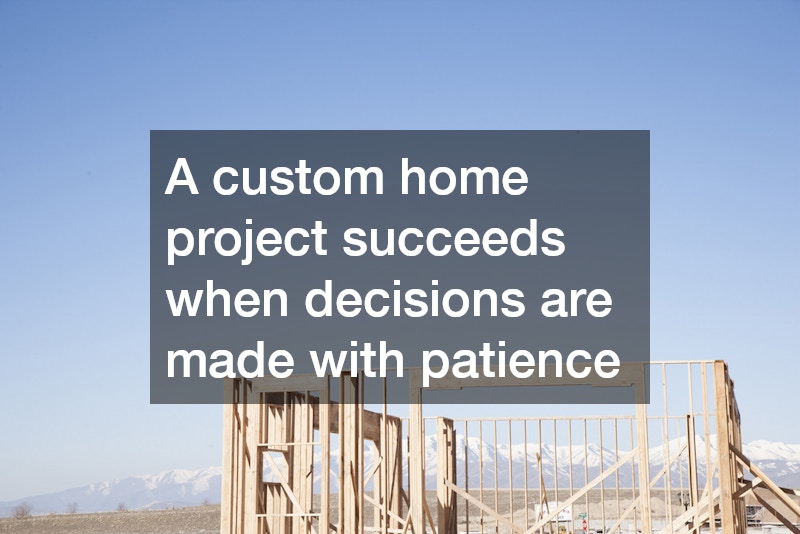
A custom home project gives you the chance to shape a living space around your priorities, routines, and long-term plans. It also brings many decisions that can affect comfort, cost, timing, maintenance, and daily function. The strongest projects begin with clear goals before anyone starts choosing finishes or comparing floor plans. When the process is organized early, the home is more likely to support real life instead of simply looking appealing on paper.
A successful build also depends on understanding how connected each decision is. Layout affects mechanical systems, windows affect energy performance, roofing affects moisture protection, and exterior materials influence future upkeep. Good planning does not remove every challenge, but it gives you a better way to respond when changes or questions come up. A custom home should be designed as a complete environment, not a collection of isolated features.
The best approach is practical and sequential. Start with your needs, choose the right team, make important structural decisions early, and keep communication steady through each phase. Custom building can feel overwhelming when every decision seems equally urgent. Breaking the process into smaller priorities helps you protect the budget, reduce confusion, and stay focused on the kind of home you actually want.
Define What You Need Before Design Begins
Before you focus on style, think about how the home needs to function. List the rooms you use most, how many people will live there, how often guests visit, and what kind of storage or work areas matter. A home designed for everyday habits will usually feel better than one built around a trend. Your answers will help the design team avoid features that look good but do not match your routines.
A custom home builder can help turn those priorities into a workable early plan. The builder should ask about lifestyle, budget, land conditions, design preferences, and long-term expectations before offering specific recommendations. This early conversation helps separate must-haves from flexible preferences. It also gives the project a clearer direction before more expensive decisions begin.
It is also helpful to think about how needs may change. A home may need space for aging relatives, remote work, growing children, hobbies, or future accessibility adjustments. Building flexibility into the plan can prevent the home from feeling outdated too soon. Long-term thinking does not mean adding every possible feature now; it means leaving room for the home to keep serving you.
Choose A Team With The Right Experience
The team you choose will shape the entire experience. Designers, builders, engineers, trade partners, and suppliers all influence the quality of the finished home. Look for professionals who communicate clearly, document decisions, and explain what each phase requires. A strong team should make the process easier to understand, not more confusing.
The best home builders understand how design ideas translate into site work, framing, materials, mechanical systems, inspections, and scheduling. They should be able to discuss practical trade-offs without dismissing your goals. When a builder can explain both the benefit and the consequence of a choice, you are in a better position to make informed decisions.
Experienced barndominium builders should understand how open layouts, metal components, insulation strategy, structural spans, and residential finishes work together. That experience matters because a barndominium is not simply a traditional house with a different exterior look. The construction approach affects comfort, efficiency, and long-term maintenance.
Plan The Building Envelope Early
The building envelope includes the roof, walls, windows, doors, insulation, and other components that separate indoor space from outdoor conditions. It affects comfort, energy use, moisture control, and durability. If those details are treated as late-stage decisions, the home may be harder to heat, cool, maintain, or protect from weather.
The home insulation strategy should be discussed before walls and ceilings are closed. The right approach depends on climate, framing, attic design, air sealing, moisture management, and the performance goals for the home. Poor planning can create drafts, hot spots, cold rooms, or higher utility costs. Better planning helps the home feel more consistent throughout the year.
Input from home exterior contractors may be involved in decisions about siding, trim, weather barriers, flashing, and exterior finishes. Their work should coordinate with windows, doors, roofing, gutters, and drainage. When exterior details are aligned early, the home is better protected against weather and premature wear.
Make Window, Roof, And Door Decisions With Purpose
Windows do more than provide views. They affect natural light, privacy, ventilation, heat gain, furniture placement, and the appearance of the home from outside. Choosing window sizes and locations should happen alongside room planning, not after the layout is already fixed. A beautiful window can still be frustrating if it creates glare, limits wall space, or reduces privacy.
A window company can help homeowners compare frame materials, glass options, energy performance, operation styles, and installation needs. Those choices should match the climate, orientation of the home, and desired maintenance level. Good windows need proper installation as much as good manufacturing. Even quality products can underperform when they are not integrated correctly.
Roof planning should also happen before exterior style is finalized. A local roofing contractor can help evaluate roof pitch, material options, ventilation, drainage, and long-term upkeep. The roof affects curb appeal, but its most important job is protecting the structure. Selecting the roof as part of the overall envelope plan helps prevent mismatched materials or drainage problems.
Entry points deserve the same attention. Exterior doors influence security, weather resistance, accessibility, daily traffic flow, and the first impression of the home. Door placement should support how people actually enter, unload, and move through the house. Hardware, thresholds, swing direction, and weatherstripping can all affect comfort and convenience.
Design Storage And Interior Function Around Daily Life
Storage is one of the most common areas where homeowners wish they had planned more carefully. Closets, pantry space, mudrooms, built-ins, laundry areas, and utility rooms should be designed around real belongings and routines. A beautiful home can still feel frustrating if there is no place for everyday items. Storage planning should begin before finishes and furniture dominate the conversation.
Guidance from local cabinet companies can help shape kitchens, bathrooms, laundry rooms, offices, and built-in storage areas so they work with the home’s layout. Cabinet planning should consider appliance locations, traffic patterns, reach, lighting, and how the family actually cooks, cleans, and organizes. Well-designed cabinetry supports daily efficiency instead of simply filling wall space.
Interior planning should also include acoustics, lighting, and flexibility. Open layouts may need thoughtful sound control, while private rooms may need stronger separation from busy areas. Lighting should support tasks, relaxation, and movement through the home. Functional interiors are not just about square footage; they are about how each space supports the way people live.
Coordinate Exterior Materials And Drainage
Exterior materials should be selected with climate, maintenance, cost, and neighborhood context in mind. Siding, trim, stone, brick, stucco, roofing, gutters, and exterior paint all need to work together visually and practically. The goal is not only to create curb appeal, but also to protect the structure over time. Durable exterior choices can reduce future stress and maintenance surprises.
Input from local siding contractors can help evaluate siding materials, installation details, trim transitions, and weather protection. Their guidance may be especially useful when the home has complex rooflines, multiple exterior materials, or exposure to strong sun, wind, or moisture. Siding decisions affect both appearance and performance. Poor coordination can lead to water intrusion, uneven wear, or expensive corrections.
Coordination with gutter contractors can help determine where water should move, how downspouts should be placed, and whether rooflines create areas of heavy runoff. A home that manages water well is easier to protect. Drainage should be planned before landscaping and hardscaping make corrections more difficult.
Keep Budget Decisions Connected To Long-Term Value
A custom home budget should not be managed only by cutting individual line items. Some choices cost more upfront but reduce future repairs, improve comfort, or protect the structure. Other upgrades may be nice to have but less important than durability, safety, and daily function. Ranking decisions by long-term value helps keep the budget focused.
The selection of home insulation is a good example of a decision that affects future comfort and operating costs. Spending less on the wrong insulation approach may create years of uneven temperatures or higher utility bills. The better question is not only what insulation costs today, but how it supports the overall performance of the home. Budgeting should consider the life of the house, not only the construction phase.
Experienced barndominium builders may need to account for large open spaces, structural components, metal building details, interior finish expectations, and mechanical design. A budget that only looks at square footage may miss the practical differences in construction approach. Clear allowances and realistic scope prevent surprises later.
Communicate Clearly Through Each Phase
Communication should be consistent from planning through completion. Homeowners should know who to contact, how decisions are documented, when approvals are needed, and how changes affect cost or schedule. A custom home involves too many details for informal conversations to carry the whole process. Written records protect everyone involved.
A custom home builder should provide a clear system for selections, updates, change orders, and schedule communication. This does not mean every day will be predictable, but it does mean the homeowner should understand what is happening and why. Clear communication makes delays, substitutions, and adjustments easier to manage. It also reduces the risk of assumptions becoming expensive mistakes.
The same communication standard should apply to work from home exterior contractors. They need to understand design intent, installation sequence, material specifications, and how their work connects to other trades. If exterior decisions are not documented clearly, details such as flashing, trim, transitions, and drainage can become inconsistent. Good communication turns separate tasks into one coordinated result.
Inspect Details Before Final Completion
The final stages of a custom home project should not be rushed. Walk through the home slowly and review finishes, doors, windows, cabinets, lighting, plumbing fixtures, exterior details, drainage, and mechanical performance. Small corrections are easier to address before the final closeout is complete. A thorough walkthrough protects the quality of the finished home.
Experienced home builders should be prepared to explain what has been completed, what remains on a punch list, and how warranty or follow-up items will be handled. A clear closeout process helps homeowners understand the condition of the home at turnover. It also creates a better record for future maintenance. Completion should feel organized rather than abrupt.
Exterior items deserve close review because they protect the home from weather. A local roofing contractor may be involved in checking visible roof details, ventilation, flashing, and drainage concerns before final acceptance. Gutters, downspouts, and exterior penetrations should also be reviewed. These details may not be glamorous, but they are central to long-term protection.
Plan For Maintenance Before Move-In
Maintenance planning should begin before the moving boxes arrive. Homeowners should know how to care for finishes, filters, siding, roofing, gutters, windows, cabinets, appliances, and mechanical systems. A new custom home still needs regular attention. Understanding maintenance early helps preserve the quality that went into the build.
A window company may provide care instructions, warranty information, and guidance for cleaning, condensation awareness, or operation. Keeping those materials organized makes it easier to respond if an issue appears later. Windows are used every day, so small problems should not be ignored. Proper care supports both performance and appearance.
Care guidance from local cabinet companies may also be useful for finishes, hardware, hinges, and cleaning products. Cabinetry is exposed to moisture, heat, food residue, and daily use, especially in kitchens and bathrooms. Knowing how to maintain those surfaces helps preserve the investment. Good care habits keep custom interior features looking and functioning the way they should.
Think About Exterior Performance After The First Season
The first full season in a custom home can reveal how the exterior performs in real conditions. Rain, wind, heat, cold, snow, pollen, and debris all test the roof, siding, gutters, windows, doors, and drainage. Homeowners should pay attention to drafts, pooling water, unusual stains, sticking doors, or areas where materials seem to be wearing unevenly.
Input from local siding contractors may be useful if the first season reveals loose sections, trim concerns, moisture exposure, or areas that need adjustment. Catching exterior issues early helps protect the structure and keep maintenance manageable. A new home may settle, and weather can expose small vulnerabilities. Timely attention prevents minor concerns from becoming larger repairs.
Reviews by gutter contractors may also be needed after heavy rain or seasonal debris. Downspouts, splash blocks, extensions, and roof valleys should direct water away from the foundation and walkways. If runoff is collecting in the wrong place, the correction should happen before landscaping or foundation concerns develop. Water management remains one of the most important parts of home ownership.
A custom home project succeeds when decisions are made with patience, coordination, and long-term use in mind. The best homes are not only attractive; they are comfortable, durable, practical, and easier to maintain. By choosing the right team, planning the envelope carefully, documenting decisions, and reviewing details before completion, homeowners can move into a space that truly reflects how they want to live. A thoughtful process helps the finished home feel intentional from the foundation to the final walkthrough.