
Homeownership brings a steady stream of decisions about what to fix, what to replace, and what can safely wait. A dripping faucet may seem less urgent than a broken air conditioner, but small problems sometimes create the conditions for much larger expenses. Moisture can damage framing, neglected equipment can fail prematurely, and worn exterior features can expose a property to avoidable repairs. The goal isn’t to renovate everything at once. It’s to recognize early warning signs, choose improvements that solve underlying issues, and establish maintenance habits that make a home easier to manage.
A practical approach begins with regular inspections and a realistic budget. Homeowners can handle basic cleaning and visual checks, while licensed professionals should evaluate work involving hazardous electricity, refrigerants, structural components, or complicated plumbing. Prioritizing fixes by severity also helps prevent an attractive upgrade from consuming money reserved for urgent repairs. The following projects focus on prevention rather than unnecessary replacement. Each one can help protect the home’s condition while improving everyday comfort, convenience, and functionality.
Inspect Plumbing Before Small Leaks Become Major Repairs
Water can travel surprisingly far from its source. A slow leak beneath a sink may soak cabinet floors before anyone notices, and a loose connection behind a washing machine can affect nearby walls. Inspect visible supply lines, shutoff valves, and drain connections every few months. Look for corrosion, swollen materials, peeling finishes, persistent dampness, or a musty smell. Unexplained changes in water bills may also signal a leak that deserves attention.
A professional plumbing service can investigate recurring clogs, dripping fixtures, low water pressure, and suspicious stains. These symptoms shouldn’t automatically lead to major replacements. Sometimes a worn seal or blocked trap is the problem; in other cases, damaged piping requires a more involved repair. Getting an accurate diagnosis before opening walls or replacing fixtures helps homeowners direct their spending where it matters.
Preventive habits make a difference. Avoid pouring cooking grease into drains, use strainers to catch hair and debris, and learn where the main water shutoff is located. Periodically check the area around toilets, water heaters, and basement pipes. If a leak appears near an electrical outlet, avoid the area and seek professional help. Photographing questionable spots during routine checks can help determine whether a stain is actively spreading. Acting quickly can reduce damage to flooring, drywall, insulation, and personal belongings.

Maintain Heating, Cooling, and Electrical Systems
Comfort systems work quietly until something goes wrong. Dirty filters, restricted airflow, and ignored warning noises can strain heating and cooling equipment. Replace or clean filters according to the equipment manufacturer’s guidance, keep vents unobstructed, and remove leaves or debris around outdoor units. Watch for rooms that remain unusually warm or cold, sudden increases in energy use, or equipment that cycles more often than expected.
Scheduling HVAC services for appropriate seasonal inspections can uncover issues with airflow, condensate drainage, controls, or worn components. Maintenance cannot prevent every breakdown, but it provides an opportunity to correct developing problems before peak heating or cooling demand. Keep a record of service dates, recommendations, and repairs so future technicians can see what has already been addressed.
Electrical systems deserve similar attention, especially in older homes or after a renovation. Frequently tripped breakers, flickering lights, buzzing outlets, and warm switch plates warrant evaluation by a qualified electrical contractor. Never treat repeated breaker trips as a nuisance to bypass. Avoid overloaded extension cords, replace damaged cords, and make sure required smoke and carbon monoxide alarms are working. When planning major appliance upgrades, ask whether existing circuits can safely support the additional load. For older equipment, plan for replacement before an unexpected breakdown dictates the budget. These checks support both daily reliability and household safety.
Address Roof Problems Before Water Reaches the Interior
A roof is easy to overlook because many developing defects are difficult to see from the ground. Missing shingles, damaged flashing, blocked drainage paths, and deteriorating seals can allow moisture into vulnerable areas. Homeowners should inspect the roof visually from a safe location after severe weather and look inside the attic for stains, damp insulation, or unusual daylight around penetrations. Never climb onto a steep or damaged roof to investigate.
Professional roof repair services can assess whether isolated damage can be corrected or whether broader deterioration calls for a replacement plan. Flashing around chimneys, skylights, and vents deserves particular attention because these transitions experience movement and exposure. A stain on the ceiling doesn’t always indicate a leak directly above it; water may travel along framing before becoming visible indoors. Accurate inspection helps avoid repairing the wrong location.
Roof maintenance also extends to gutters and downspouts. Clear debris where it is safe to do so, confirm water moves away from the foundation, and check for overflowing sections during rain. If roof damage is suspected after a storm, document visible conditions and arrange an assessment. Check ceilings after prolonged rain, since intermittent leaks often become noticeable only under certain weather conditions. Addressing minor defects promptly can reduce the likelihood of mold, rotted sheathing, damaged insulation, and expensive interior restoration.
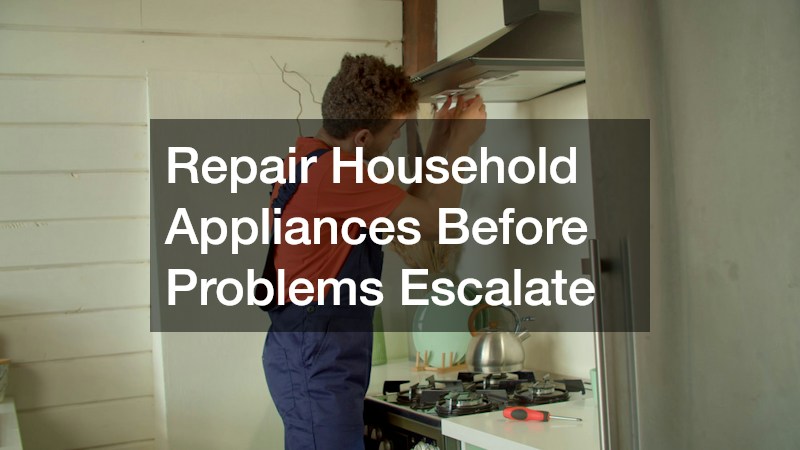
Repair Household Appliances Before Problems Escalate
Major appliances handle repetitive work, so gradual performance changes may go unnoticed. A refrigerator that runs constantly, a dishwasher that leaves standing water, or a dryer that needs repeated cycles can signal developing trouble. Start with the maintenance instructions provided for each model. Clean accessible filters, check door seals, avoid overloading machines, and watch for loose hoses or unusual sounds. Disconnect equipment before performing any cleaning that requires access to internal areas.
Timely appliance repair may extend the usefulness of equipment when the underlying issue is straightforward and replacement parts remain available. However, repeated failures, high repair estimates, poor efficiency, and advanced age can make replacement the more sensible option. Compare the total cost of repair with the expected remaining lifespan rather than focusing only on the immediate bill. For equipment involving gas, electrical components, or refrigerants, use the appropriate qualified professional.
Some maintenance also protects nearby building materials. Clean dryer lint screens after use and have venting inspected when drying performance declines. Check dishwasher and refrigerator connections for moisture, particularly after moving an appliance. Make sure washing machine hoses are in good condition and that the machine remains level. Keep model numbers and purchase information accessible to simplify troubleshooting, warranty questions, and parts identification. A small amount of attention can prevent a mechanical failure from becoming a flooring or wall repair.
Protect Floors From Moisture, Wear, and Hidden Damage
Floors take a daily beating from foot traffic, spills, pets, and furniture. Surface scratches are often cosmetic, but soft spots, persistent squeaks, lifting planks, and recurring moisture may indicate issues below the finish. Identify the cause before covering damage with a new material. A fresh floor installed over a damp subfloor could conceal deterioration and create another expensive project later.
Homeowners considering flooring installation services should first discuss subfloor condition, moisture testing, room use, and maintenance requirements. Material selection matters: bathrooms and laundry rooms face different risks than bedrooms or living spaces. Some products tolerate occasional spills well but still need dry, stable substrates and properly detailed edges. A qualified installer can explain preparation needs, expansion gaps, transitions, and manufacturer requirements that affect long-term performance.
Simple protective measures can preserve existing floors. Use mats at exterior doors, fit furniture legs with appropriate pads, and clean spills promptly using methods recommended for the flooring material. Pay attention to condensation near windows and water that enters through doors during heavy rain. When a floor shows repeated damage in the same location, investigate plumbing, drainage, or ventilation before replacing the visible surface. In entryways, consistent cleaning keeps abrasive grit from wearing down finishes faster than expected. Solving the source of the problem is usually more valuable than another cosmetic fix.

Improve Cabinet Storage Without Ignoring Underlying Problems
Kitchens and bathrooms are often the first rooms homeowners consider updating, yet the most practical improvements aren’t always dramatic. Misaligned doors, sticking drawers, loose hinges, and overflowing storage can make everyday routines frustrating. Many of these problems respond to adjustments, replacement hardware, or better organization. Before a full renovation, identify which features no longer function and which ones simply need maintenance.
Custom cabinets can be a useful investment when existing layouts waste space or standard sizes don’t accommodate the room. Thoughtful designs can improve access to cleaning supplies, cookware, and frequently used items without requiring unnecessary changes to plumbing or walls. Drawers, dividers, and adjustable shelving may be especially helpful in awkward corners or narrow spaces. Choose durable finishes and moisture-resistant details appropriate to the environment.
Cabinet work should also include an inspection of the surroundings. Water stains beneath a sink, a soft vanity base, or recurring condensation should be corrected before new cabinetry goes in. Properly functioning exhaust fans and careful cleaning can help limit excess moisture. If countertops, electrical outlets, or fixtures must move, coordinate the relevant trades before installation begins. Consider how doors open around appliances, since cramped clearances can diminish the usefulness of new storage. A good plan prevents costly rework and ensures the upgrade improves function rather than hiding damage.
Strengthen Fences and Manage Outdoor Drainage
Exterior improvements do more than shape curb appeal. They can help define safe activity areas, support privacy, and manage how water moves across the yard. Walk the property periodically to look for leaning posts, loose gates, damaged panels, and vegetation pressing against structures. A small repair today may prevent a larger section from failing during a storm. Check local requirements before major boundary changes, particularly when property lines or shared structures are involved.
For a new enclosure, fence installation should begin with thoughtful planning. Consider soil conditions, post placement, access for maintenance, and how gates will function during snow or heavy rain. Different materials require different levels of upkeep, so choose based on climate, budget, and willingness to maintain the fence. Before digging, arrange for underground utility lines to be marked through the appropriate local service. This reduces the risk of damage and injury.
Drainage deserves equal priority. Pooling water near a foundation, erosion along slopes, or constantly saturated planting beds may indicate grading issues. A landscaping contractor can evaluate surface conditions and recommend approaches such as regrading, suitable planting, or correctly designed drainage features. Avoid directing runoff toward neighbors or public walkways. Healthy landscaping relies on appropriate watering and maintenance, but it should never trap moisture against siding, fencing, or the foundation. Keep shrubs trimmed around gates and pathways to maintain visibility and reduce constant contact with damp vegetation. Coordinating yard improvements with exterior repairs can prevent new work from being undermined by recurring water problems.

Update Window Treatments and Plan Preventive Maintenance
Windows affect comfort, privacy, light control, and how a room feels throughout the day. Worn coverings may be inconvenient, but drafts, condensation between panes, or stained surrounding trim can indicate a separate problem with the window or building envelope. Inspect frames and seals before treating an ongoing moisture issue as a decorating project. Keep tracks clean, look for signs of deteriorating caulk, and investigate water marks that appear after rain.
New window blinds can improve light control and privacy without requiring a major renovation. Choose materials appropriate for rooms with humidity, and consider cordless or other child-safe designs when young children may be present. Accurate measurements and secure mounting help coverings operate properly. If sun exposure is heating a room, suitable treatments can also support comfort, although they don’t replace needed air sealing or mechanical repairs.
Finally, create a manageable maintenance calendar. Group tasks by season, note equipment age, retain warranties, and set aside money for predictable replacements. Record small changes before they become emergencies, and revisit priorities after storms or major household changes. Not every imperfection needs immediate work, but leaks, electrical hazards, structural movement, and active water intrusion warrant prompt attention. A basic photo inventory also makes it easier to discuss emerging concerns with contractors before work begins. A consistent, prevention-focused routine allows homeowners to spend more deliberately, protect improvements already made, and enjoy a home that remains comfortable and functional.