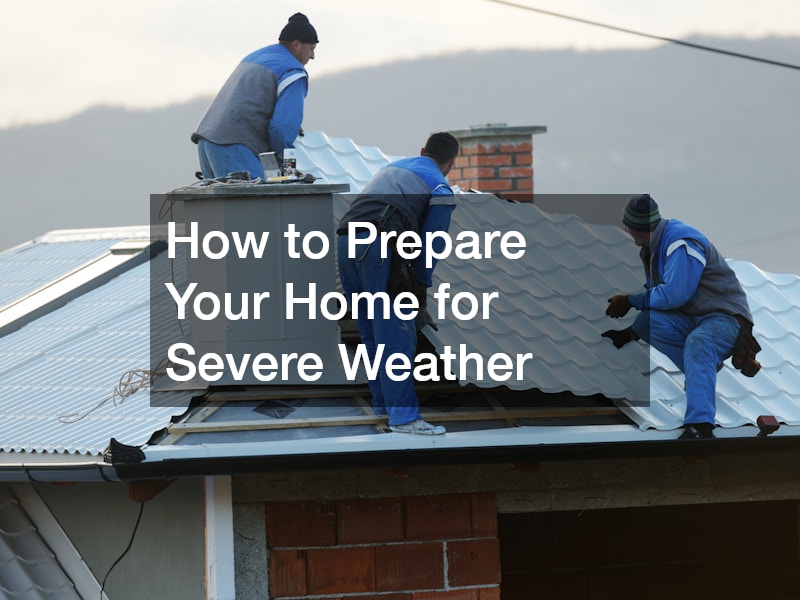
Creating a safe haven for your family is one of the most fulfilling parts of homeownership. We spend considerable time selecting the right paint colors, choosing comfortable furniture, and arranging spaces where our loved ones can thrive. However, beneath the surface of our daily routines, quiet dangers can develop. Home maintenance is not merely about preserving property value or boosting curb appeal; it is fundamentally about protection. Small, ignored changes in your household environment can rapidly escalate into severe structural threats or health crises if left unaddressed. Recognizing which domestic issues require swift intervention is the first step toward maintaining a secure living environment.
Many homeowners fall into the trap of delaying repairs, assuming a minor issue can wait until the weekend or the next season. The reality is that household hazards rarely stay small. Moisture breeds mold, minor electrical faults can trigger fires, and structural weaknesses fail precisely when weather conditions worsen. By understanding the immediate risks present both inside your living spaces and across your outdoor property, you can take a proactive stance against disasters. This guide will walk you through the critical areas of residential safety, detailing the signs of trouble and offering practical, actionable advice to help you secure your household before an emergency occurs.
Hidden Internal System Hazards
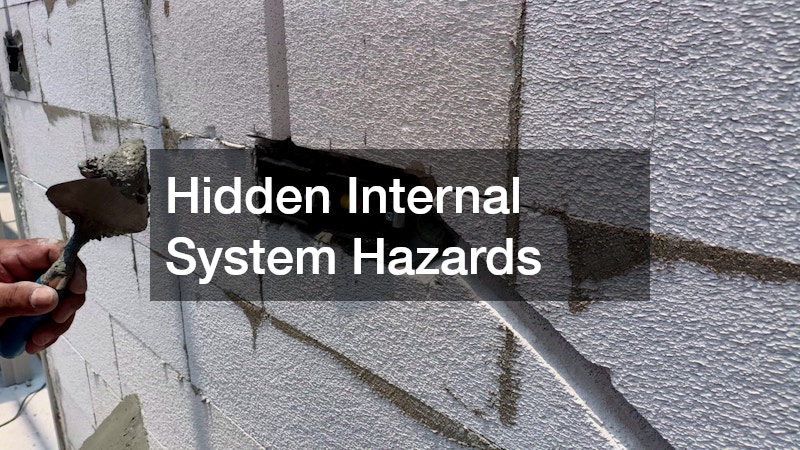
Household infrastructure operates quietly behind your walls and under your floors. Because these systems are largely out of sight, they are frequently out of mind until a major failure occurs. Internal system failures are among the most destructive hazards due to their potential to cause extensive property damage or threaten physical safety within minutes.
Recognizing Electrical Warning Signs
Electrical malfunctions are a leading cause of residential fires, yet they often give subtle warnings before a catastrophe occurs. Homeowners should look out for flickering lights, wall outlets that feel warm to the touch, or a persistent burning smell near appliances. If a circuit breaker trips repeatedly, it is a clear sign that the system is overloaded or experiencing a dangerous short circuit.
-
Examine your wall outlets regularly for any signs of discoloration or scorch marks, which indicate dangerous arcing.
-
Unplug appliances immediately if they emit a humming noise or produce a slight shock when touched.
-
Upgrade older two-prong outlets to grounded three-prong outlets to ensure modern electronics operate safely.
-
Avoid the long-term use of extension cords, which can overheat and degrade under rugs or heavy furniture.
When these warning signs manifest, attempting a DIY fix can be incredibly perilous. It is essential to contact a certified electrician who can thoroughly inspect your wiring, replace faulty breakers, and update antiquated electrical panels to meet modern safety codes.
Handling Urgent Water and Drain Failures
A sudden burst pipe or a rapidly backing up sewage line can compromise the structural integrity of your property and ruin personal belongings in a matter of hours. Water damage accelerates quickly, warping wood, destroying drywall, and creating a breeding ground for toxic mold spores.
-
Locate your main water shut-off valve immediately so you can halt the flow of water during a crisis.
-
Inspect the supply lines under your sinks and behind washing machines for bulges, cracks, or slow drips.
-
Pay attention to unexplained drops in water pressure or sudden, unusual spikes in your monthly utility bill.
-
Monitor your basement or crawlspace for persistent dampness, standing water, or musty odors.
When a major pipe failure happens, shutting off the water is only the first step. Securing professional emergency plumbing services ensures that the source of the leak is permanently repaired and that underlying pipe corrosion is properly addressed to prevent future flooding.
Structural Vulnerabilities and Exterior Threats
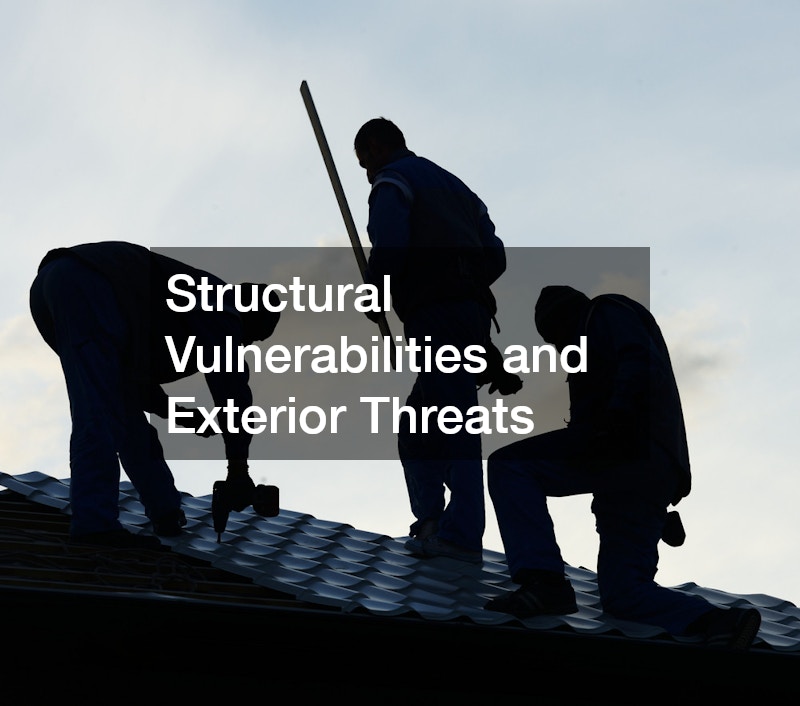
The exterior shell of your house serves as the primary barrier against environmental elements. When the integrity of the exterior is compromised, the entire home becomes vulnerable to weather damage, structural shifting, and energy loss.
Managing Roof Wear and Compromised Shingles
Your roof endures constant exposure to ultraviolet rays, high winds, and heavy downpours. Over time, shingles can become loose, cracked, or completely missing, leaving the underlying wooden decking exposed to moisture. A compromised roof will eventually allow water to seep into the attic, damaging insulation and weakening the ceiling joists.
-
Walk around your property after heavy storms to check for loose shingles or fragments scattered on the ground.
-
Clean your gutters twice a year to prevent water from backing up beneath the roofline and rotting the fascia boards.
-
Look for dark water stains on your upper-floor ceilings and walls, which point to an active overhead leak.
-
Inspect the flashing around chimneys, vents, and skylights, as these joints are highly susceptible to water intrusion.
Addressing these issues early prevents the need for a total structural overhaul. Engaging qualified roofing services allows for targeted repairs, structural reinforcement, and the professional application of protective sealants before winter or rainy seasons arrive.
Preparing for Severe Structural Weather Demands
For families living in regions prone to intense storms and high winds, standard windows and entryways represent significant points of vulnerability. When flying debris shatters a standard glass door, the sudden atmospheric pressure change inside the home can lift the roof entirely. Upgrading these entry points provides vital peace of mind during storm seasons.
-
Check the weather stripping around all exterior doors to ensure a tight, water-resistant seal against driving rain.
-
Install heavy-duty barrel bolts on double doors to prevent them from bursting open under extreme wind pressure.
-
Verify that door frames are securely anchored into the structural studs of the house rather than just the cosmetic trim.
-
Keep trees trimmed away from your entryways so heavy branches cannot crash into your glass doors during a gale.
Investing in reinforced entry systems is a smart defensive strategy. Consulting with reputable hurricane impact door manufacturers helps you select heavy-duty, engineered barriers that can withstand flying objects and prevent catastrophic structural pressure failures.
Pest Invasions and Health Risks
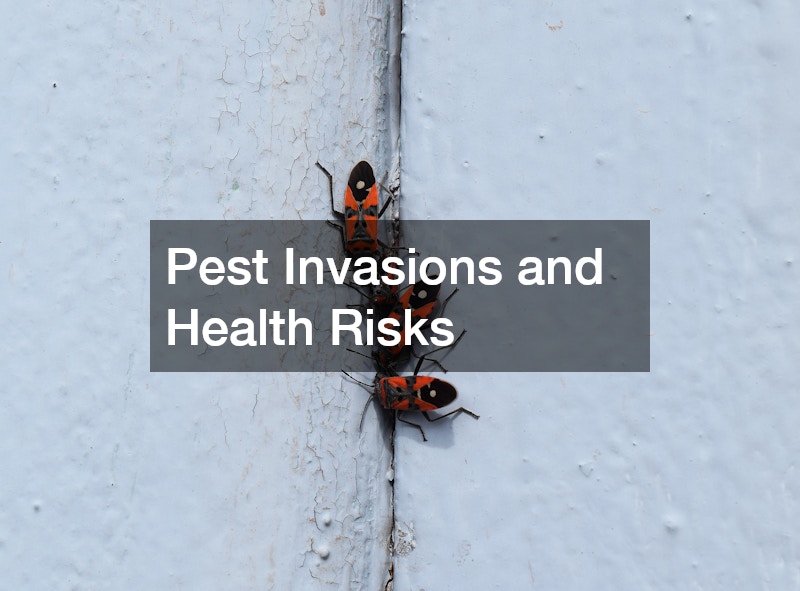
Insects and arachnids are more than just an annoying inconvenience; they can pose serious health hazards to your family. Certain pests carry dangerous pathogens, while others can trigger severe allergic reactions and asthma attacks, making rapid eradication a matter of family health.
Eliminating Sanitary Kitchen Threats
German and American roaches are notorious for infesting residential kitchens and bathrooms. They thrive in dark, moist environments and reproduce at an alarming rate. Beyond the unpleasant sight of an infestation, these pests carry bacteria like Salmonella on their bodies, contaminating food preparation surfaces and leaving behind waste particles that pollute indoor air.
-
Store all dry food items in airtight plastic or glass containers rather than original cardboard boxes.
-
Clean behind major kitchen appliances regularly to remove accumulated grease, crumbs, and moisture.
-
Seal gaps around baseboards, utility pipes, and cabinets with silicone caulk to deny pests easy entry points.
-
Fix dripping faucets promptly, as standing water provides the hydration these pests need to survive.
If you spot these nocturnal insects active during daylight hours, it usually indicates a deeply rooted, overcrowded population. Partnering with a licensed cockroach exterminator ensures the use of targeted baits and safe growth regulators that eliminate the entire colony rather than just the visible bugs.
Combating Yard Tick Dangers
Spending time in the backyard should be a relaxing experience, but overgrown grass and dense brush can harbor arachnids that transmit debilitating illnesses like Lyme disease. These tiny pests wait on the tips of tall blades of grass to latch onto passing humans and pets.
-
Maintain a manicured lawn by mowing consistently and removing dense leaf litter from the perimeter of your yard.
-
Create a three-foot-wide barrier of wood chips or gravel between your lawn and wooded areas to restrict migration.
-
Keep backyard woodpiles neatly stacked in sunny locations to discourage small rodents that carry these parasites.
-
Check your children and pets thoroughly for small, dark spots on their skin after they play outdoors.
Protecting your family from these silent outdoor threats requires a comprehensive management plan. Enlisting a local tick control service provides regular, targeted barrier applications that drastically reduce the parasite population in your outdoor living areas.
Reducing Winged Summer Vectors
Stagnant water in the yard creates the perfect breeding environment for flying insects that transmit dangerous viruses like West Nile and Zika. A single forgotten bucket or clogged birdbath can produce thousands of biting pests in less than a week, turning your backyard into a health hazard.
-
Empty water from flowerpot saucers, plastic toys, pool covers, and tarps immediately after it rains.
-
Change the water in outdoor pet bowls and birdbaths at least twice a week to disrupt the insect breeding cycle.
-
Keep your swimming pool properly chemicalized and circulated so the water never becomes stagnant.
-
Clear away dense, overgrown vegetation where adult flying insects rest during the hot hours of the day.
When simple source reduction is not enough to keep the biting insects away, professional intervention becomes necessary. Scheduling a comprehensive mosquito treatment establishes a protective perimeter around your patio and lawn, allowing your family to enjoy outdoor spaces safely.
Perimeter Security and Backyard Sanitation
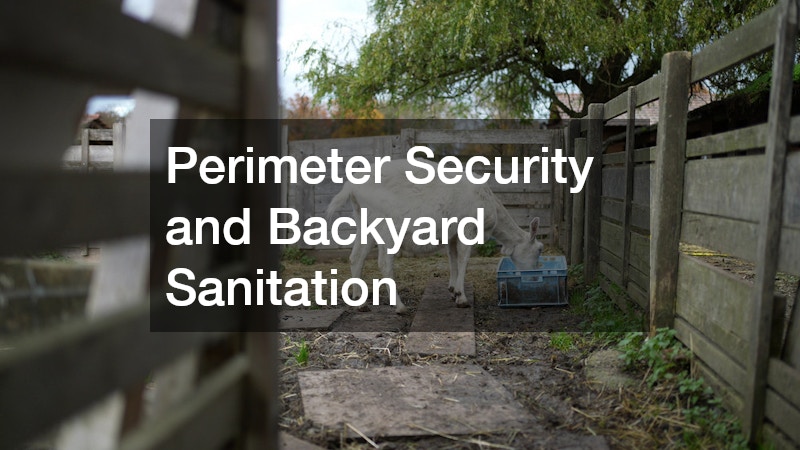
The boundaries of your property serve as the first line of defense against intruders, stray animals, and accidents. Neglecting outdoor structures can lead to physical injuries, liability issues, or structural decay that compromises the security of your entire home.
Securing Water Amenities and Features
An outdoor swimming pool is a wonderful feature for summer recreation, but it carries immense safety responsibilities. An unsecured body of water poses an immediate drowning hazard for toddlers, neighbors’ children, and local wildlife. It is vital to treat any permanent water feature as a controlled safety zone.
-
Install an audible alarm on all doors leading from the house directly to the outdoor water area.
-
Maintain clear visibility from the house to the water by avoiding high landscaping right next to the edge.
-
Store all pool chemicals in a locked, ventilated shed away from direct sunlight and out of children’s reach.
-
Keep life-saving equipment, such as a rescue pole and throwing ring, easily accessible near the water.
Designing a recreational water space requires balancing aesthetics with strict safety protocols. Homeowners planning a custom pool must integrate underwater alarms, non-slip decking materials, and structural safety barriers right into the initial architectural blueprints.
Installing Boundary Barriers and Enclosures
A sturdy boundary fence keeps your pets inside your property while preventing unauthorized individuals from wandering into your yard. Over time, wooden posts can rot, metal chain links can sag, and gates can lose their alignment, creating dangerous gaps that compromise your home security.
-
Check the stability of your fence posts annually by giving them a firm push to ensure the concrete footings remain intact.
-
Clear away heavy vines and climbing plants that add excessive weight and trap moisture against the fencing material.
-
Ensure that gate latches are positioned high enough that small children cannot reach up and open them.
-
Replace rusted hardware and hinges quickly so gates close smoothly and lock automatically without human assistance.
If your existing boundary structures are leaning or severely damaged, patchwork fixes might not suffice. Hiring expert fencing contractors ensures that your barriers are installed at the correct depth, aligned perfectly with your property lines, and constructed from durable, low-maintenance materials.
Maintaining Automated Entry Gate Access
An automated driveway gate adds an extra layer of privacy, but it requires regular maintenance to prevent mechanical failures. A malfunctioning gate can trap vehicles inside the property during an emergency or fail to detect an obstacle, posing a crushing hazard to pedestrians and pets.
-
Clean the electronic sensor eyes frequently with a soft cloth to remove dust, cobwebs, and debris.
-
Keep the path of the gate completely clear of gravel, fallen leaves, and encroaching tree roots.
-
Test the automatic reverse mechanism monthly by placing an object in the gate’s path to ensure it retracts safely upon contact.
-
Lubricate the internal chains, rollers, and hinges twice a year to prevent structural strain on the electric motor.
When the electronic or structural components of your automated entry system break down, amateur repairs can result in severe injuries or ruined motors. Working with a professional gate and fence installer guarantees that safety sensors are calibrated properly and that the mechanical components operate reliably year-round.
Maintaining a safe home requires continuous awareness, timely updates, and a willingness to act before small issues turn into dangerous emergencies. By paying close attention to your electrical wiring, plumbing lines, structural exterior, pest control, and perimeter barriers, you can successfully shield your family from preventable accidents. The time and resources invested in preventative home care are small prices to pay compared to the peace of mind that comes with a genuinely secure household. Take a proactive walk around your property today, note the areas that require immediate attention, and coordinate with qualified professionals to keep your sanctuary safe for years to come.