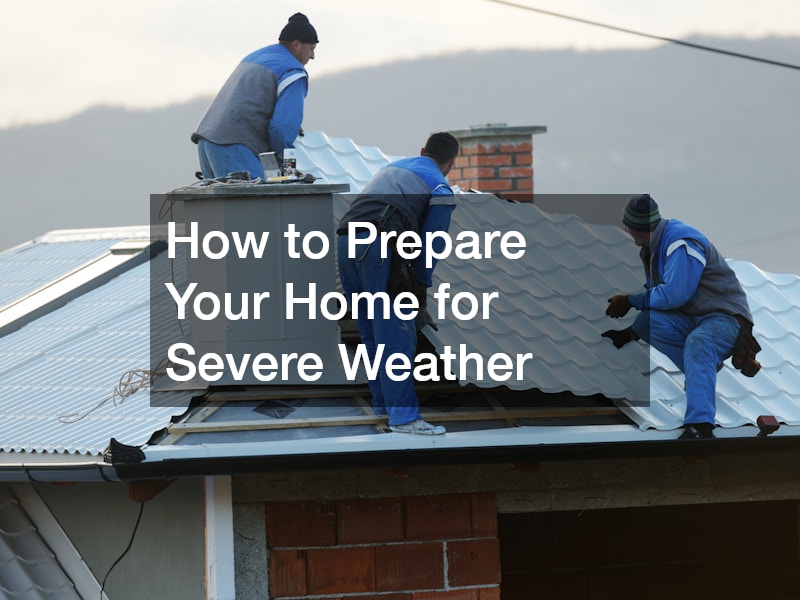
Severe weather has a way of exposing every weak point in a home. A small roof issue becomes a leak, a clogged drain turns into flooding, and an aging system suddenly fails when you need it most. The difference between a stressful emergency and a manageable inconvenience often comes down to preparation.
Getting ahead of storms isn’t about panic-proofing your home overnight. It’s about taking steady, intentional steps to reduce risk, improve safety, and protect your investment. Whether you’re dealing with hurricanes, heavy rain, extreme heat, or winter storms, the same principle applies: prepare early, and you’ll recover faster.
Inspect and Reinforce Your Home’s Structural Weak Points

Start with the physical shell of your home. This is your first line of defense, and even minor vulnerabilities can become major problems under pressure.
Walk around your property and look closely at your roofline. Missing shingles, warped flashing, or loose gutters may not seem urgent on a clear day, but during high winds or heavy rain, they can allow water to seep in quickly. Inside, check ceilings and attic spaces for discoloration or damp spots—these are often early signs of hidden leaks.
Windows and doors deserve equal attention. If you feel drafts or notice gaps in the seals, that’s an invitation for wind-driven rain. Weather stripping is a simple fix, but it makes a measurable difference. For homes in high-risk areas, upgrading to impact-resistant glass can add another layer of protection.
Foundations are often overlooked, yet they’re critical during storms. Small cracks can expand when exposed to moisture and pressure changes. Sealing them early is far easier than dealing with structural repairs later.
If you’re tackling larger repairs or upgrades, it helps to plan the logistics ahead of time. For example, clearing out debris from major projects is much easier with a dumpster rental, especially when replacing roofing materials or removing damaged siding.
For families in regions prone to tornadoes or hurricanes, long-term planning may also include storm shelter installation. While it’s a bigger investment, it provides a dedicated safe space when conditions escalate quickly.
Strengthen Your HVAC System Before Extreme Weather Hits
Your heating and cooling system plays a bigger role in storm preparedness than many homeowners realize. It’s not just about comfort—it’s about maintaining safe indoor conditions when outdoor temperatures become extreme.
Begin with a basic inspection. Clear leaves, dirt, and debris from around your outdoor unit. Trim back nearby plants to allow proper airflow. Inside, replace air filters and make sure vents are unobstructed.
Then consider how your system performs under stress. If it struggles to keep up during peak heat or cold, that’s a warning sign. Severe weather often pushes systems to their limits, and breakdowns tend to happen at the worst possible time.
Professional maintenance can catch issues you might miss. Scheduling AC repair services before storm season ensures your system is ready when you need it most. Technicians can check refrigerant levels, inspect electrical components, and identify worn parts.
In some cases, upgrading your system may be the smarter long-term move. Mini split installation, for example, offers flexible, energy-efficient cooling that can continue operating even if part of your home loses power. It’s especially useful for creating backup-conditioned spaces during outages.
Work With Trusted Professionals for Preventive Upgrades
Not every risk is visible to the untrained eye. That’s where experienced professionals come in—they can spot potential problems before they turn into costly emergencies.
When it comes to indoor systems, HVAC contractors can evaluate the overall efficiency and resilience of your setup. They’ll assess whether your current system can handle extreme conditions and recommend improvements if needed. This might include upgrading insulation, improving ductwork, or installing surge protection.
Outside, your yard plays a surprisingly large role in storm safety. Overgrown or weakened trees are one of the most common causes of property damage during high winds. Branches can snap, trunks can fall, and roots can shift in saturated soil.
This is where arborists become invaluable. They don’t just trim trees—they assess structural integrity, remove hazardous limbs, and help maintain the long-term health of your landscape. A well-maintained yard is far less likely to become a hazard during a storm.
Think of these professionals as part of your preparation team. Their insights can save you from reactive, emergency repairs later on.
Improve Drainage and Water Flow Around Your Property
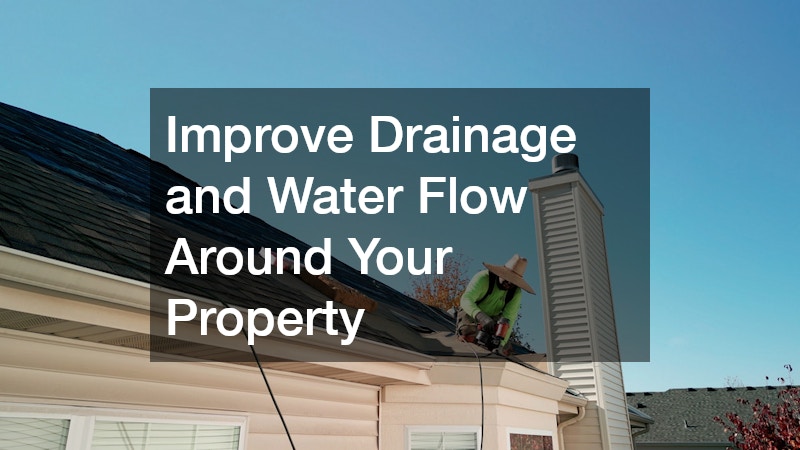
Water is often the most damaging element during severe weather. Even moderate rainfall can cause serious issues if it doesn’t drain properly.
Start by observing how water moves across your property during a typical rain. Does it pool near your foundation? Does it run toward your garage or basement? These patterns reveal where improvements are needed.
Grading the soil so it slopes away from your home is one of the most effective solutions. It doesn’t have to be dramatic—even a slight adjustment can redirect water safely.
Hardscaping can also play a role. Adding pavers in strategic areas helps control runoff while creating durable, attractive surfaces. Pathways, patios, and driveways built with proper spacing allow water to filter through instead of pooling.
If your drainage issues are more complex, working with a paving company can help you design a system that manages water effectively. They can incorporate channels, permeable materials, and proper slopes to reduce flood risk.
The goal is simple: keep water moving away from your home, not toward it.
Repair and Maintain Driveways and Walkways for Safety
It’s easy to overlook driveways and walkways when thinking about storm preparation, but they can quickly become hazards if neglected.
Cracks in asphalt or concrete may seem cosmetic at first. However, during heavy rain, those cracks allow water to seep in, weaken the base, and expand over time. In colder climates, freeze-thaw cycles make the problem even worse.
Standing water is another issue. Pooled water creates slippery surfaces and accelerates deterioration. It can also redirect runoff toward your home, contributing to larger drainage problems.
Regular inspections help you catch these issues early. Look for uneven surfaces, widening cracks, or areas where water collects after rain.
Scheduling asphalt repair before storm season ensures your driveway remains stable and safe. Small repairs now can prevent costly replacements later.
Prepare Your Basement and Lower Levels for Flooding
Basements are particularly vulnerable during severe weather, especially in areas prone to heavy rain or rising groundwater.
Begin by checking for signs of moisture. Musty smells, peeling paint, or minor dampness are early warnings that water is already finding its way inside. Addressing these issues early can prevent more serious flooding.
Installing a sump pump is one of the most effective defenses. It actively removes water that accumulates around your foundation. For added security, consider a battery backup system so it continues working during power outages.
Sealing walls and floors with waterproof coatings can also reduce infiltration. While not a complete solution on their own, they add an extra layer of protection.
If you’re planning a basement remodel, prioritize materials that can withstand moisture. Choose water-resistant flooring, elevate electrical systems, and avoid finishes that can be easily damaged.
Think of your basement not just as extra space, but as a potential risk zone that needs thoughtful preparation.
Secure Outdoor Areas to Prevent Storm Damage
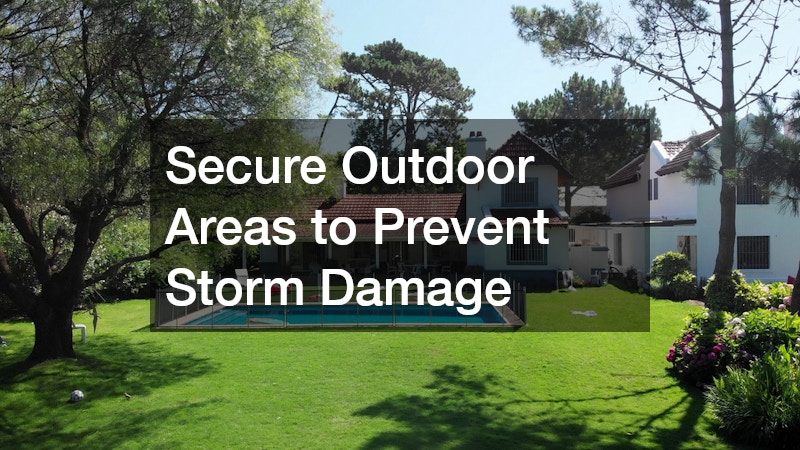
Outdoor spaces often take the brunt of severe weather. Preparing them properly can prevent damage to both your yard and your home.
Start with loose items. Patio furniture, grills, and decorative pieces should be brought inside or securely anchored. Even lightweight objects can become dangerous projectiles in strong winds.
Fences, sheds, and pergolas should also be inspected. Tighten loose fasteners, reinforce weak joints, and replace damaged sections.
Tree maintenance is another key step. Removing dead branches and trimming overgrowth reduces the likelihood of breakage. It also helps wind pass through more easily, lowering resistance.
A simple pre-storm checklist can make a big difference:
- Bring in or secure loose items
- Clear debris from gutters and drains
- Trim nearby branches
- Check outdoor lighting and fixtures
Taking these steps ahead of time saves you from scrambling when a storm is already approaching.
Build an Emergency-Ready Family Plan
Preparation isn’t just about your home—it’s about the people in it.
Every household should have a clear, practiced plan for emergencies. This includes knowing where to go, how to communicate, and what to bring.
Identify Safe Zones Inside Your Home
Start by identifying safe areas within your home. These are typically interior rooms without windows, located on the lowest level. Hallways, closets, or bathrooms often work well because they provide extra structural protection.
Walk through your home with your family and physically point out these spaces. Don’t assume everyone will remember—especially children. Make it a habit to revisit these locations occasionally so they stay familiar.
It’s also worth considering different types of emergencies. For example:
- High winds or tornadoes: lowest-level interior room
- Flooding: move to higher ground within the home
- Extreme heat or cold: focus on insulated, central areas
Making these distinctions ahead of time helps your family react more quickly and appropriately.
Create a Clear Communication Plan
Next, establish communication protocols. If family members are separated, how will you reconnect? Having a designated meeting point and an out-of-town contact can simplify coordination.
Choose one primary meeting location close to home and a secondary option slightly farther away in case your neighborhood is inaccessible. Make sure everyone knows both locations by memory—not just saved on a phone.
For communication:
- Select a single out-of-town contact everyone can check in with
- Ensure each family member knows that person’s phone number
- Discuss how to send quick updates (texting is often more reliable than calling during emergencies)
You may also want to set simple rules, such as “send a message as soon as you’re safe” or “stay where you are unless it’s unsafe.” These small guidelines reduce confusion when stress levels are high.
Build and Maintain Emergency Kits
Emergency kits should be easy to access and well-stocked. Include essentials like water, non-perishable food, flashlights, batteries, medications, and important documents.
Rather than storing everything in one place, consider having multiple kits:
- A main household kit in a central location
- Smaller grab-and-go kits in bedrooms or closets
- A vehicle kit in case you’re away from home
In addition to the basics, think about your family’s specific needs. This might include:
- Infant supplies or pet food
- Extra clothing or blankets
- Backup chargers or power banks
Check these kits every few months. Replace expired food, refresh batteries, and update any documents so everything is ready when needed.
Assign Roles to Each Family Member
In an emergency, clarity matters. Assigning simple roles can prevent hesitation and overlap.
For example, one person might be responsible for grabbing the emergency kit, while another ensures pets are secured. Older children can be given small, manageable tasks to help them feel involved rather than overwhelmed.
Keep roles straightforward and realistic. The goal isn’t perfection—it’s reducing chaos. When everyone knows their responsibility, the entire process becomes more efficient.
Practice Your Plan Regularly
Practicing your plan may feel unnecessary, but it builds confidence and reduces panic. Even a quick walkthrough can help everyone respond more effectively when it matters.
You don’t need to stage elaborate drills. A simple run-through every few months can make a big difference. Walk through scenarios like:
- “What would we do if we had five minutes to leave?”
- “Where would we go if we couldn’t stay inside?”
Pay attention to any confusion or hesitation during these practice sessions. Those moments highlight where your plan needs improvement.
Over time, these rehearsals turn uncertainty into familiarity. And when a real emergency happens, that familiarity can make all the difference.
Upgrade Your Home for Long-Term Weather Resilience
While short-term preparation is essential, long-term upgrades can significantly improve your home’s ability to withstand severe weather.
Impact-resistant windows and reinforced doors provide better protection against wind and debris. They also improve energy efficiency, which is an added benefit year-round.
Backup power systems are another valuable investment. Generators can keep essential systems running during outages, from refrigeration to medical equipment.
Smart home technology adds an extra layer of awareness. Sensors can detect water leaks, temperature changes, or power disruptions, allowing you to respond quickly even if you’re not home.
When planning upgrades, prioritize based on your region’s most common risks. A home in a hurricane-prone area will have different needs than one facing heavy snowfall or wildfires.
Over time, these improvements create a more resilient home—one that can handle whatever nature throws its way.
Staying Consistent With Home Preparedness Year-Round
Preparing your home for severe weather isn’t a one-time project. It’s an ongoing process that evolves with the seasons and the condition of your home.
By addressing small issues early, working with trusted professionals, and making thoughtful upgrades, you reduce the likelihood of major disruptions. More importantly, you create a safer, more comfortable environment for your family.
The goal isn’t perfection—it’s readiness. And with the right approach, that’s something every homeowner can achieve.